

Séminaire du CeRLA
Publié le 23 novembre 2026
–
Mis à jour le 23 novembre 2026
le 4 décembre 2026
Campus Berges du Rhône
Vendredi 4 décembre, 14h30-16h
Christian Mair (Université de Fribourg) : « World Languages in Competition: The Digital Factor »
Présentation :
Contrary to initial fears, the World Wide Web has not become an English-language monoculture. What has emerged instead in cyberspace is a selective and economically driven English-dominated multilingualism. The first part of the presentation will survey the economic, cultural and technological factors shaping online multilingualism and show how they generally favour languages that are spoken by large numbers of people in economically prosperous countries, but occasionally also open up opportunities for promoting minority languages. The second part zooms in on English, as the current global lingua franca, and will show that the new AI-based language technologies have created a standardisation paradox. On the one hand, technology promotes further homogenisation (though not necessarily along the lines of traditional standards of educated usage). On the other hand, it may also result in more diversification, giving public visibility to nonstandard varieties and multilingual practices, especially when these are associated with pop-cultural or subcultural trends (as is the case with Jamaican and Haitian Creole and ‘Spanglish’ – or ‘Camfranglais’-style code-mixing). The conclusion will explore the prospects of intelligent language planning that ensures that the voices of the 6.5 billion people in the world who do not speak English are not silenced and the spread of English is managed in ways that help economic progress without unduly jeopardising linguistic and cultural diversity.
Informations pratiques
Lieu(x)
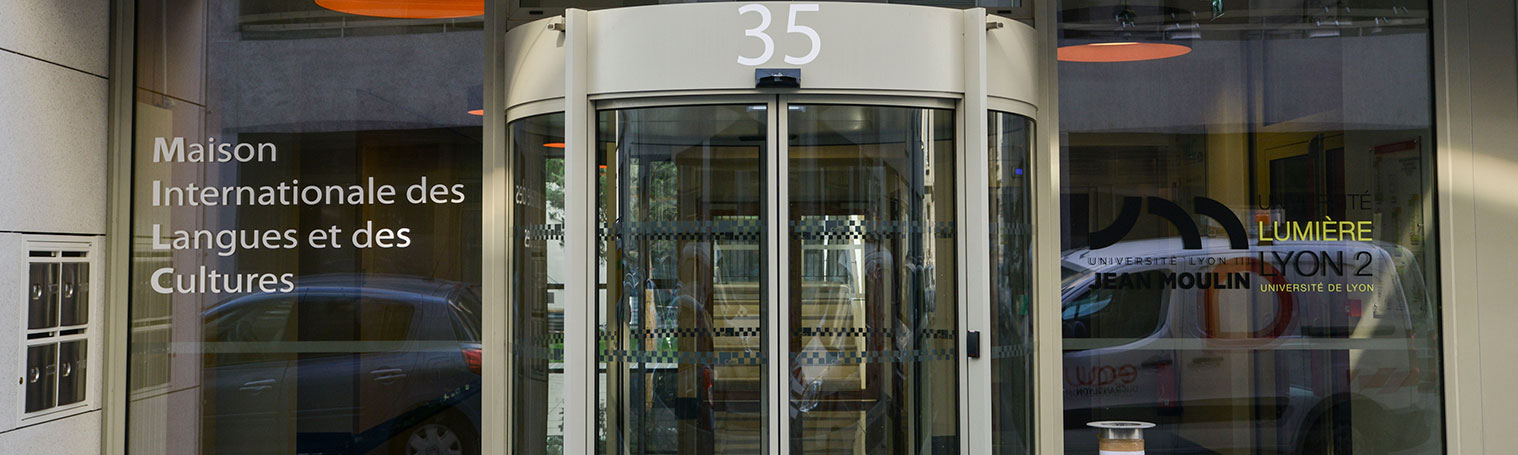
Campus Berges du Rhône
MILC - Salle 308 (3e étage)